Exhibition
Illegal. Street Art Graffiti
1960 – 1995
extended until June 30, 2025
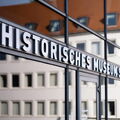
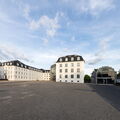
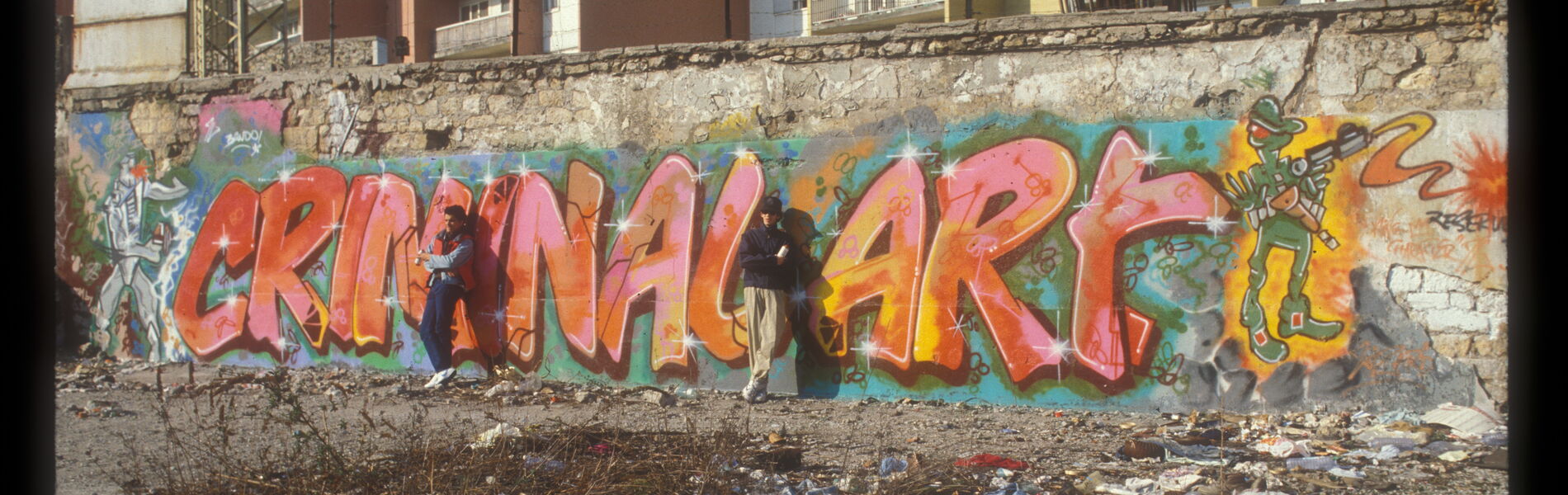
As from May 18, 2024, in the museum on Saarbrücken's Schlossplatz, the Historisches Museum Saar will be showing the exhibition 'ILLEGAL. Street Art Graffiti 1960 – 1995'. It presents pioneering works from the early days of American and European street art and graffiti history. The main focus is on early illegal works. With this historical approach and visually stunning, immersive presentation, the exhibition at the Historisches Museum Saar is the very first of its kind worldwide.
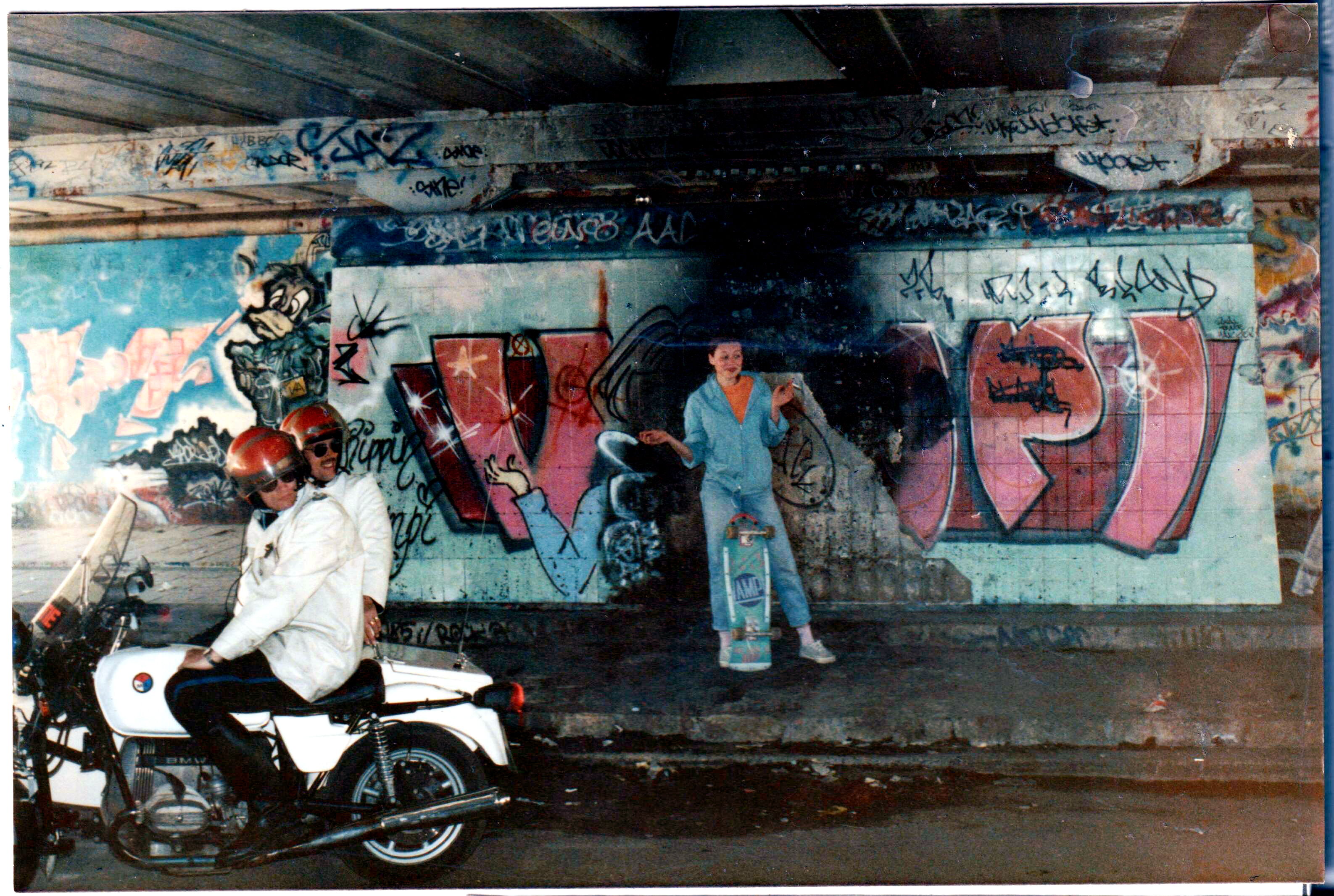
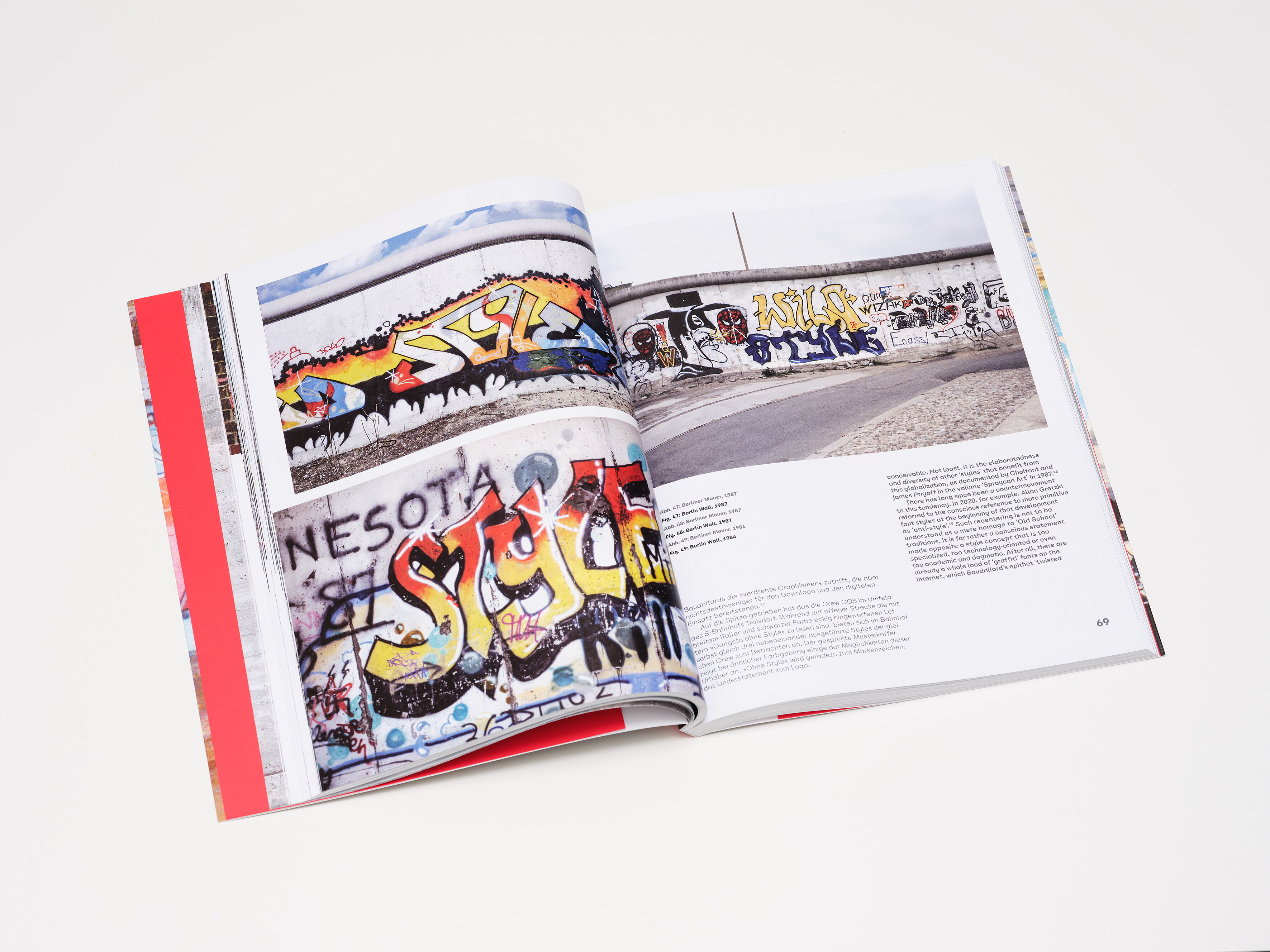
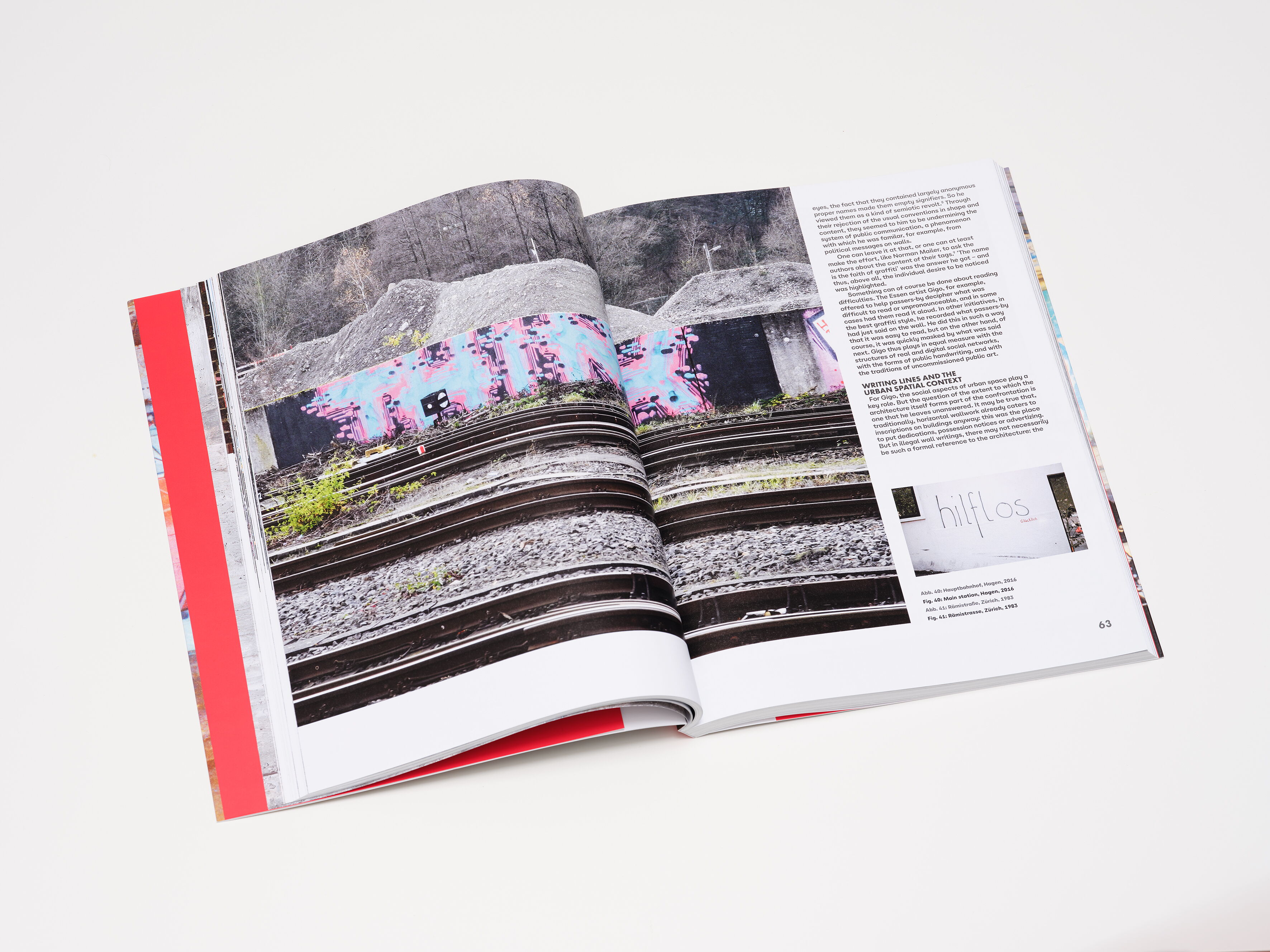
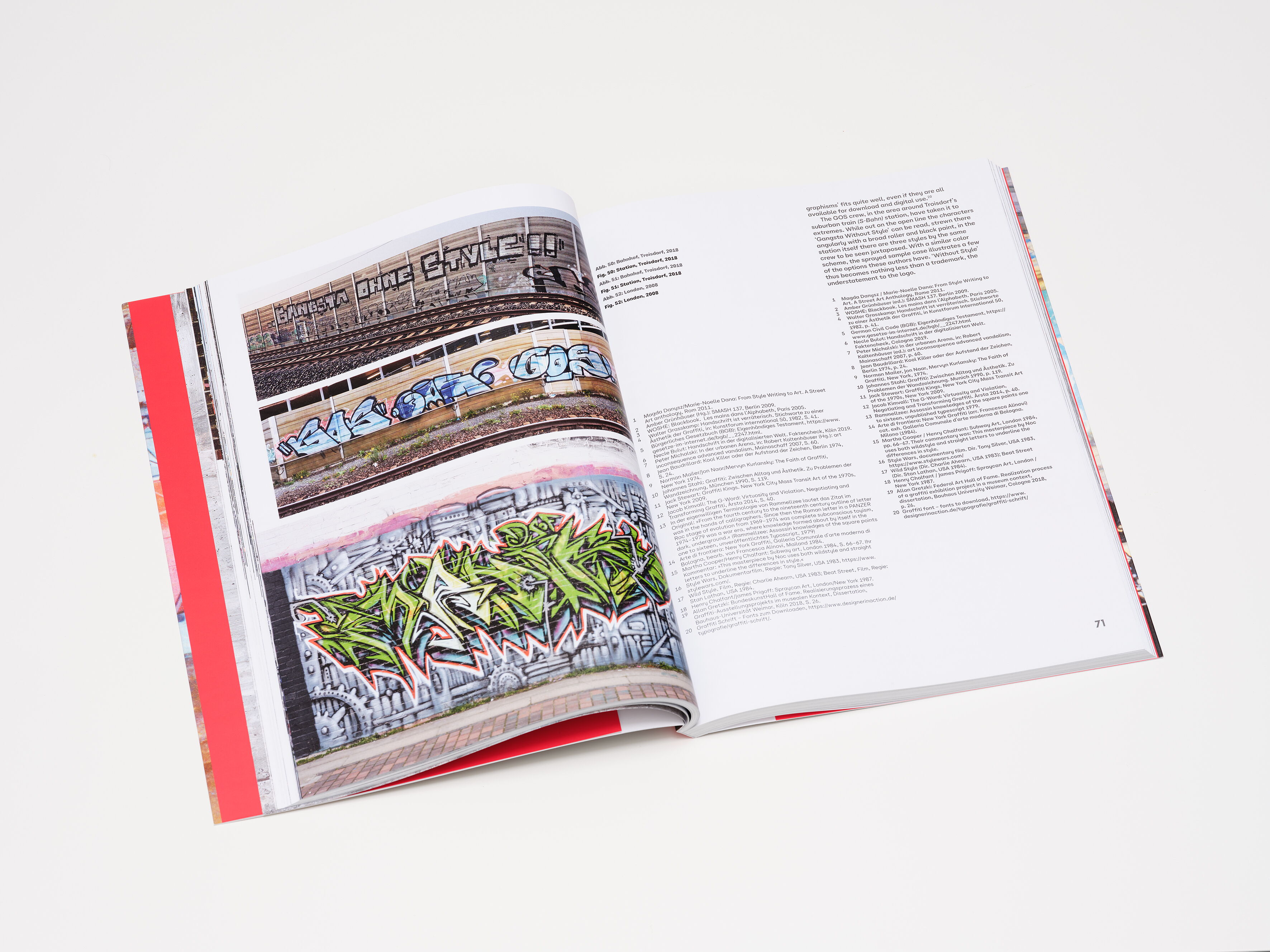
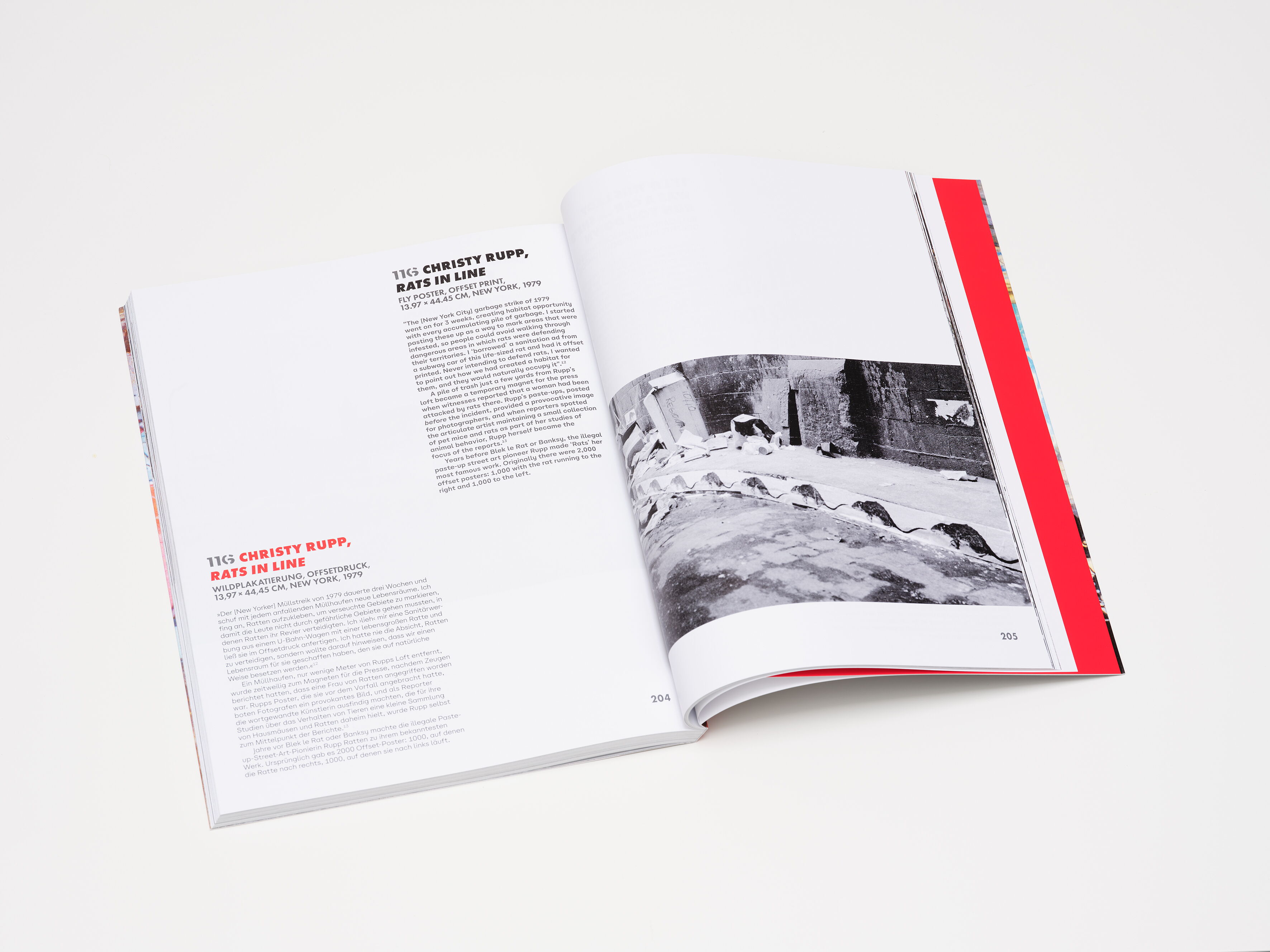
The exhibits are key works and rarities that have never been shown before. All of them were created illegally – i.e. without authorization and without any commercial intent – for a street audience. This selection of 120 artists from more than a dozen countries is the result of hard work and lengthy research. Their works were never intended for a museum, and that is why they have not – with only a few exceptions – been preserved in the original. In spite of that, the Historisches Museum Saar has succeeded in tracking down some originals and getting them brought to Saarbrücken. The loan that has traveled furthest comes from California.
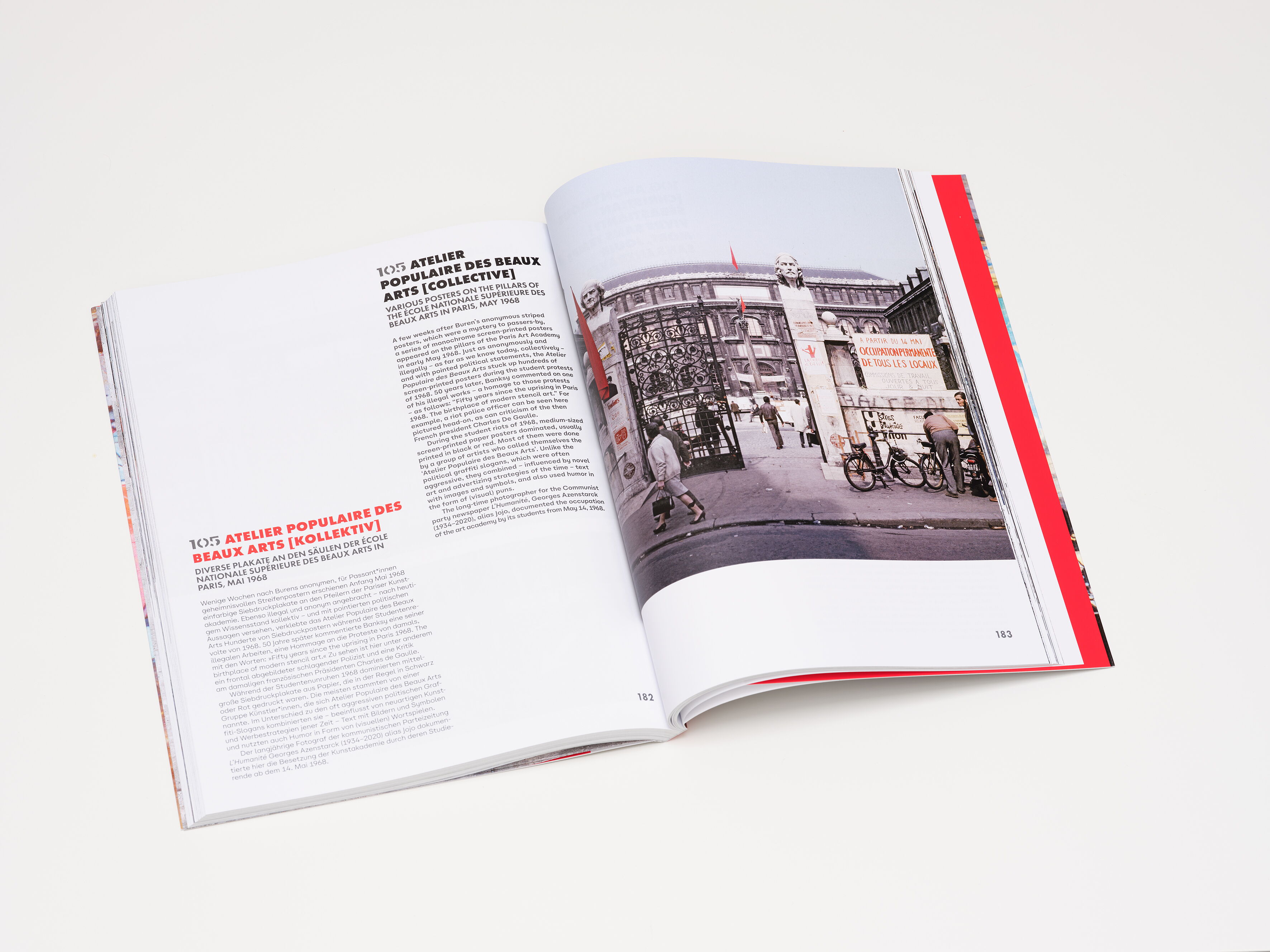
The show starts with the pioneering works of Brassaï, a much respected photographer, and a companion of Picasso's. Brassaï was one of the first artists who did not merely see graffiti as a spontaneous variety of street art. He recognized it as an important form of artistic expression that was worthy of being documented and presented in galleries. His graffiti photographs, first exhibited in Stuttgart in 1960, represent a significant landmark in the perception and recognition of this art form. As far as its content goes, the exhibition ends in 1995, the year in which Banksy's early works appeared in England.
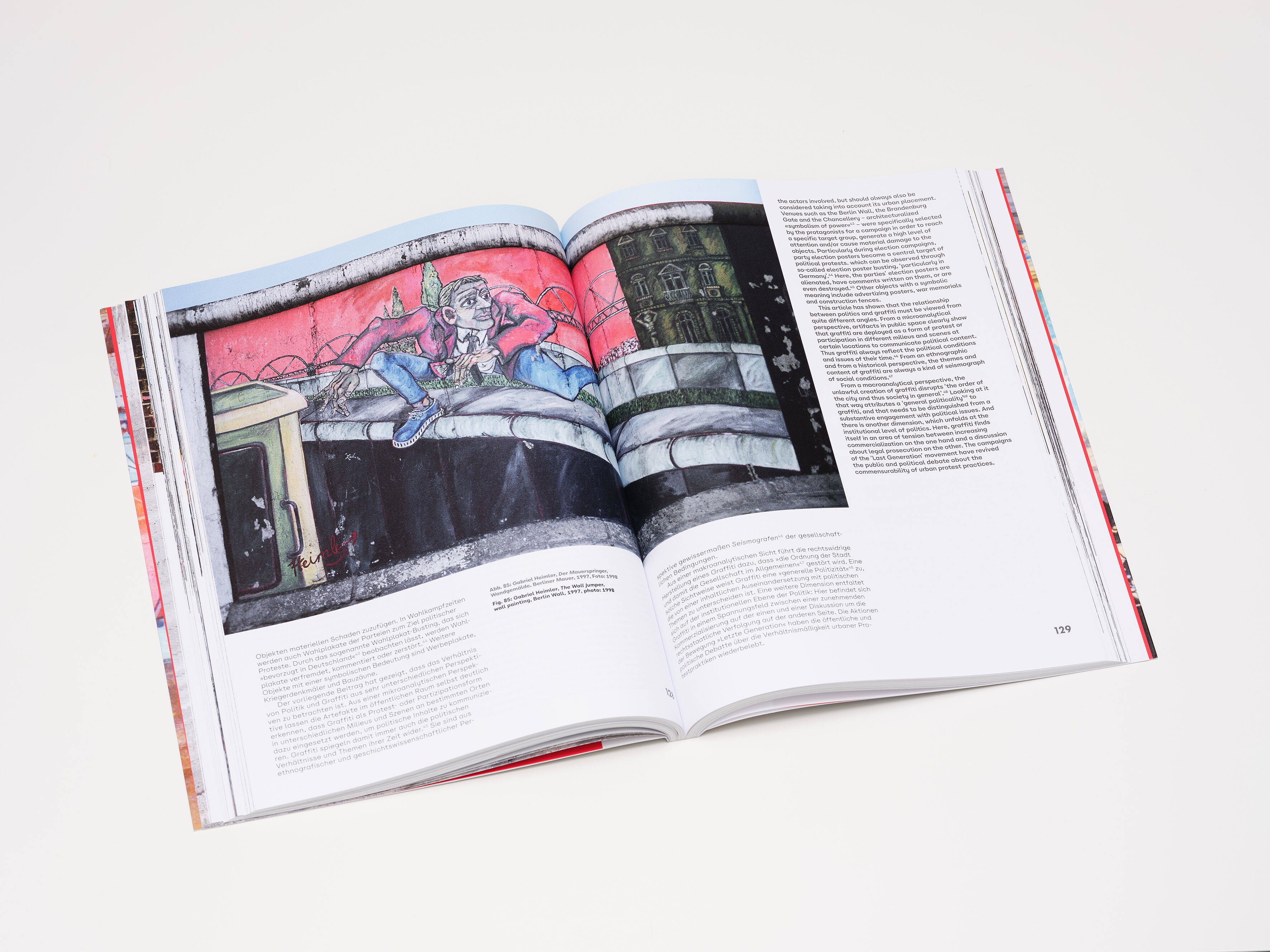
One of the exhibition's main emphases is on looking at certain geographical locations and regions which have played a decisive role in the development of the street art and graffiti scene. One such is the narrow Rue Visconti in Paris, which was a hotspot for illicit works of art between 1962 and 1986. Renowned artists such as Christo, Daniel Buren and Zlotykamien left their mark there, exerting a decisive influence on the development of this creative movement. There is also a special focus on the city triangle Paris-Düsseldorf-Zürich. It was there, and not in metropolises such as Berlin, Rome or Madrid, that essential developments occurred in the history of European street art and graffiti. The integration of originals loaned internationally and the concomitant involvement of regional protagonists have ensured that the Greater Region is addressed too.
[nbsp]
[nbsp]
[nbsp]
[nbsp]
[nbsp]
[nbsp]
[nbsp]
[nbsp]


[nbsp]
[nbsp]
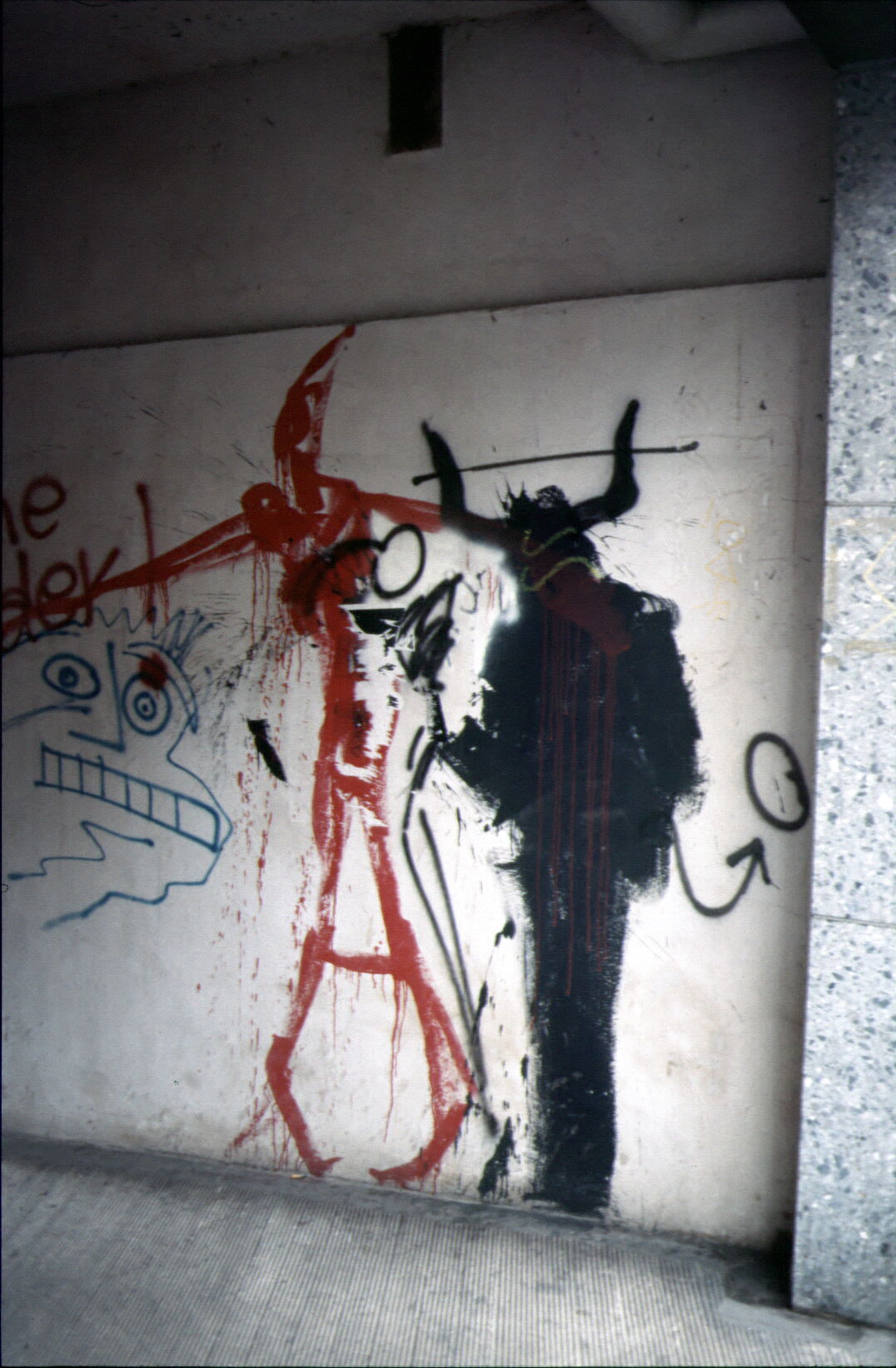
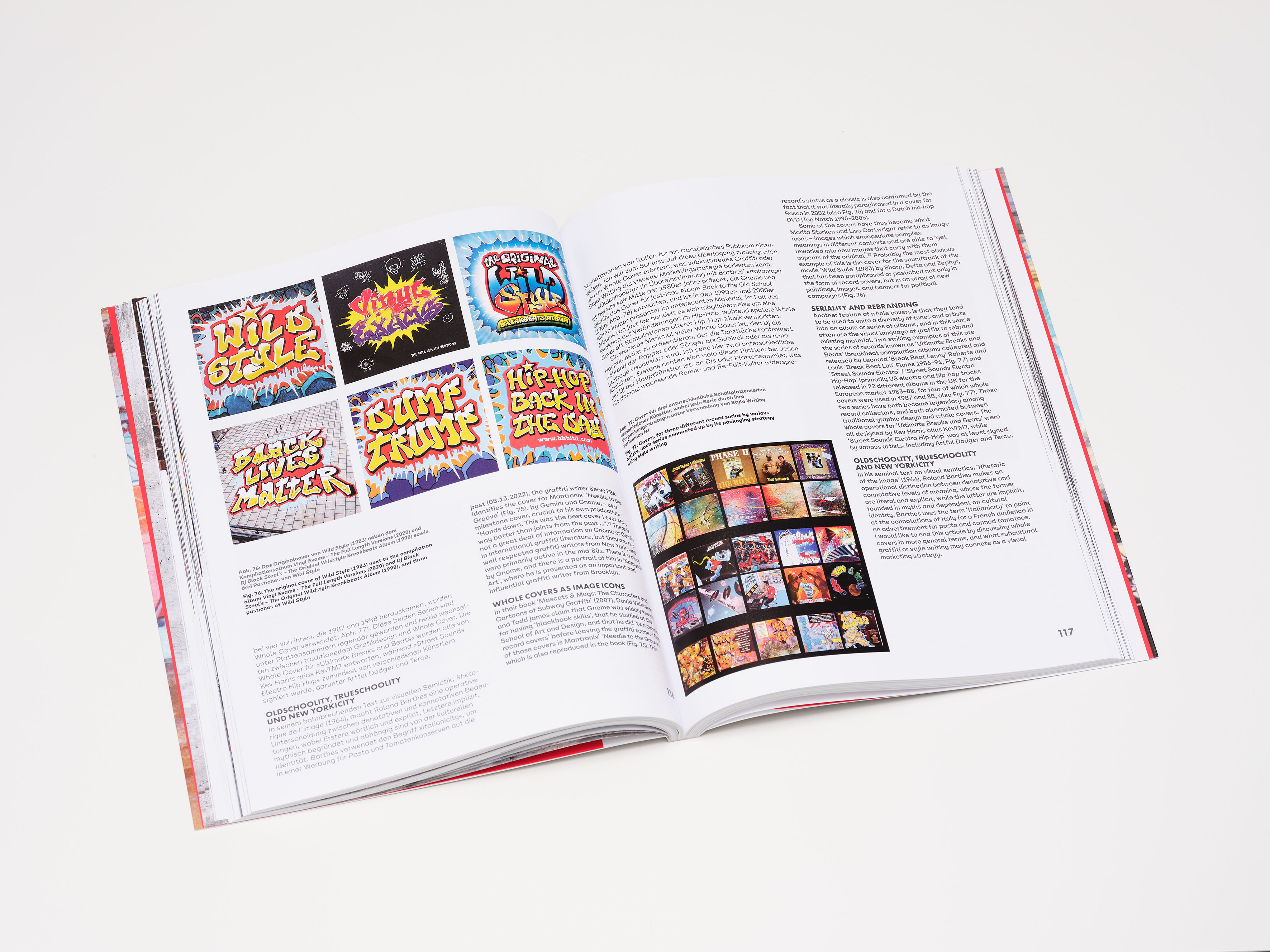
The show illuminates the close connection between graffiti and other forms of artistic expression such as avant-garde art and literature, and also, in particular, pop music. Many graffiti artists were not just visually creative, but also active musically or designed record covers for bands. That interaction between visual art and music is the subject of intensive examination – i.e. is rendered audible – in the exhibition and shows just how complex and dynamic that era was.
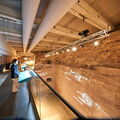
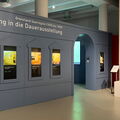
This exhibition is not an array of small compartments. Instead, most of the works are reproduced here on a large scale, for example in their original size. That way, the presentation, stunning in visual and auditory terms as it is, becomes an immersive experience. Visitors can take center stage for a moment against the historical backdrop of street art and take selfies, for example. The exhibition's extensive support program comprises various different events including a street art and graffiti festival with documentations of the graffiti and street art scene, lectures, and workshops with local artists.
In Dr. Ulrich Blanché, the exhibition has a well known, much-in-demand specialist on this subject as its curator. He has been researching street art for 17 years, is a private lecturer at Heidelberg University and regularly gives interviews in international media. The project has been implemented by the Historisches Museum Saar.
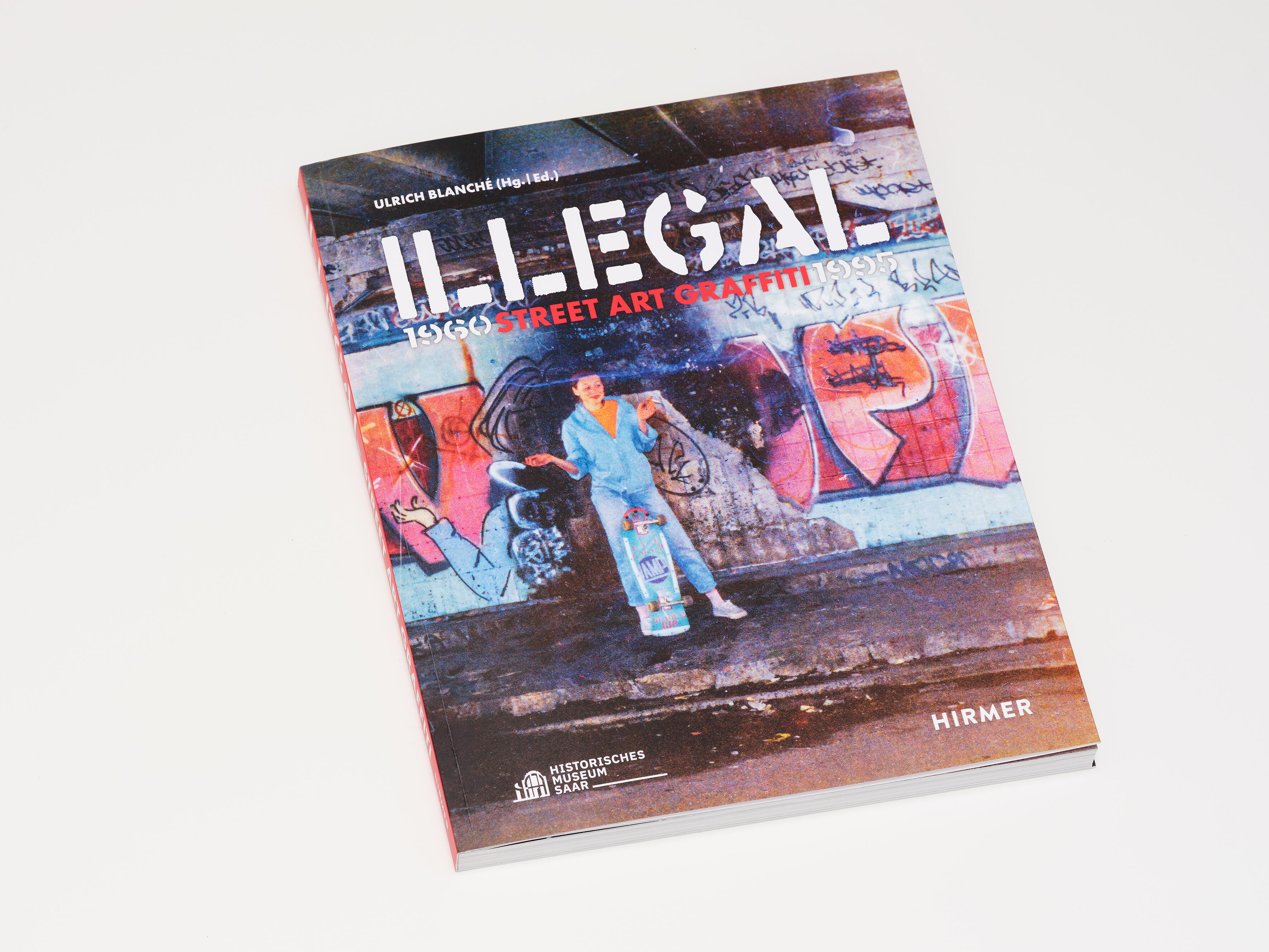
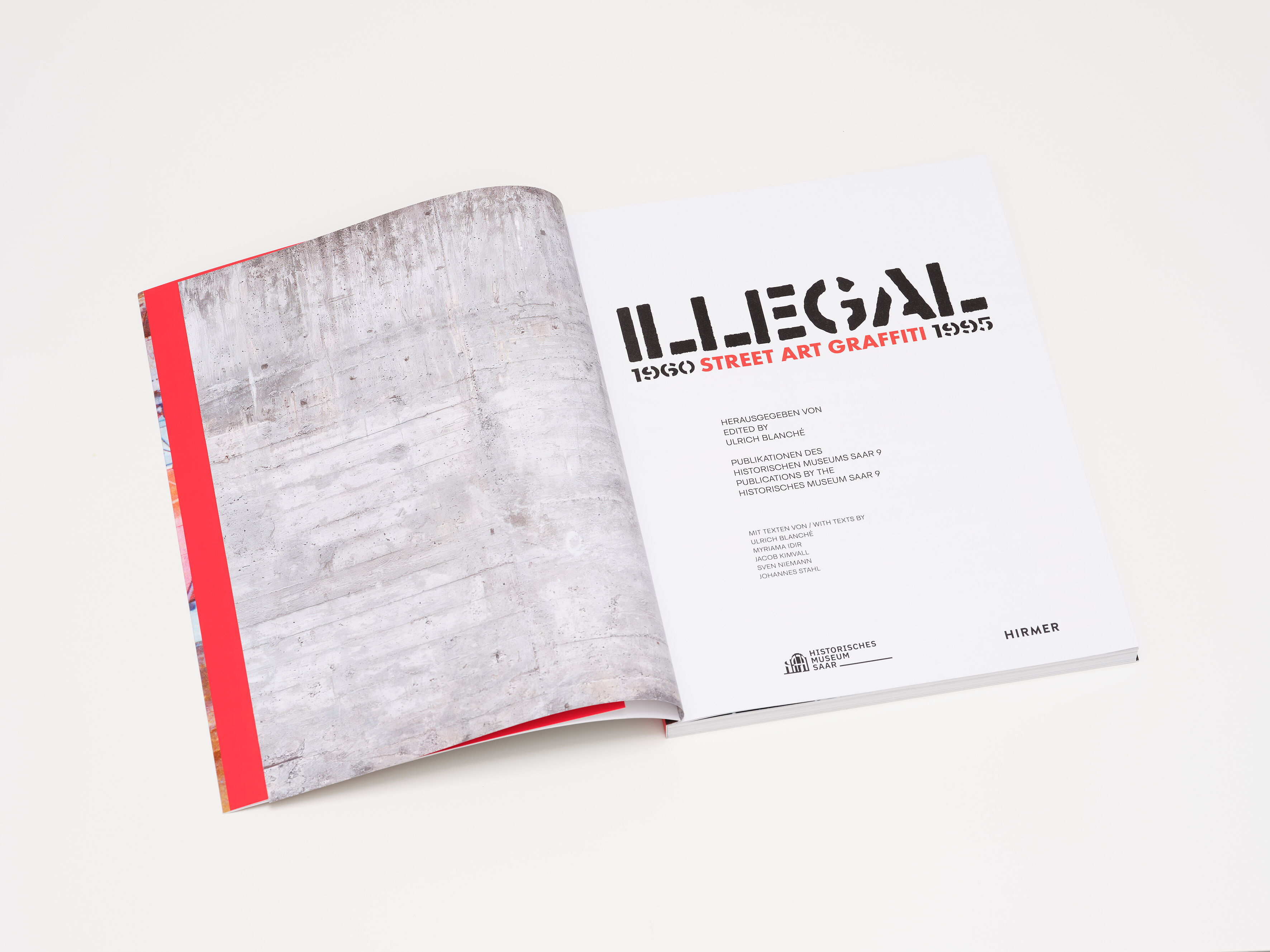
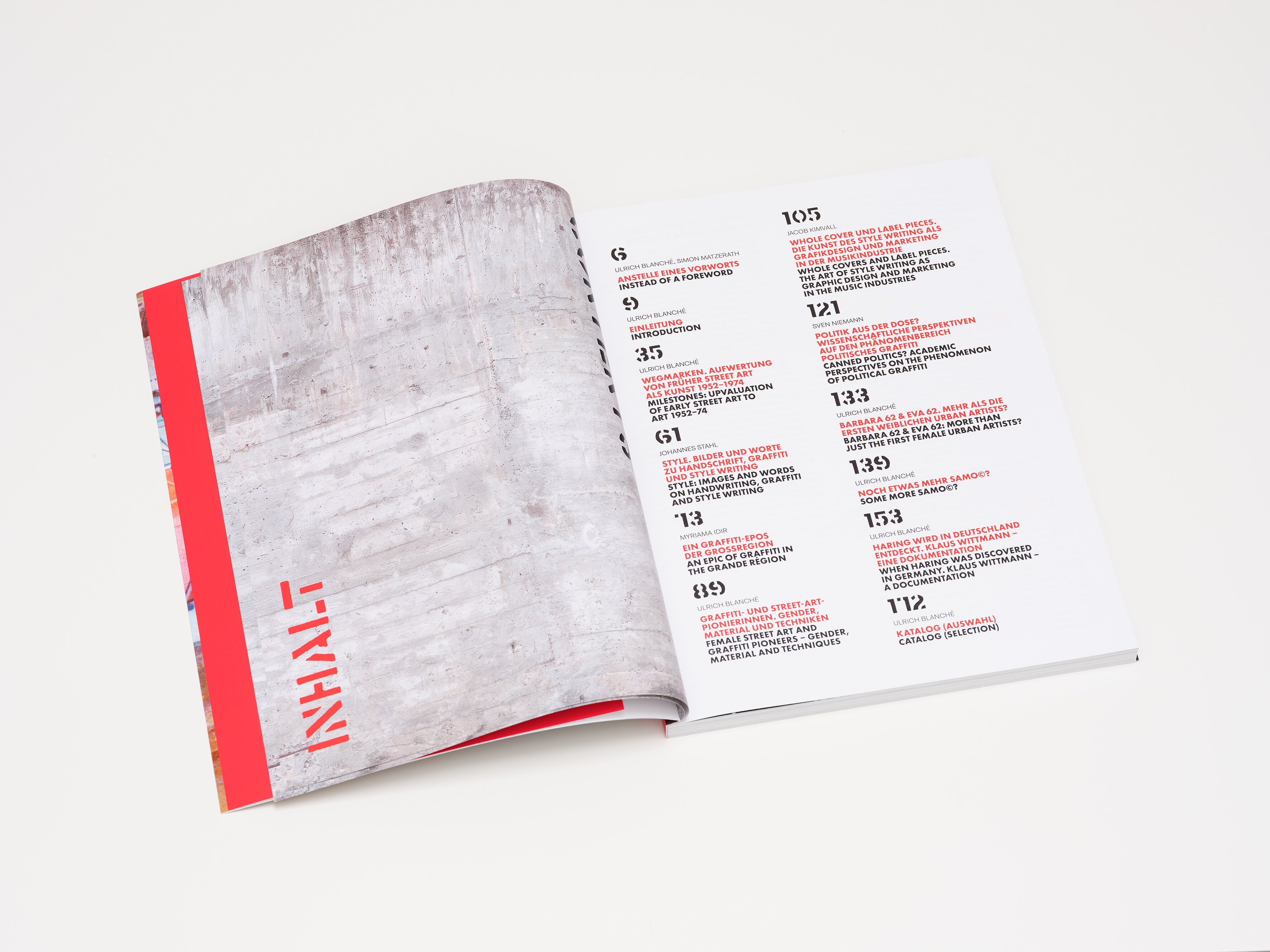
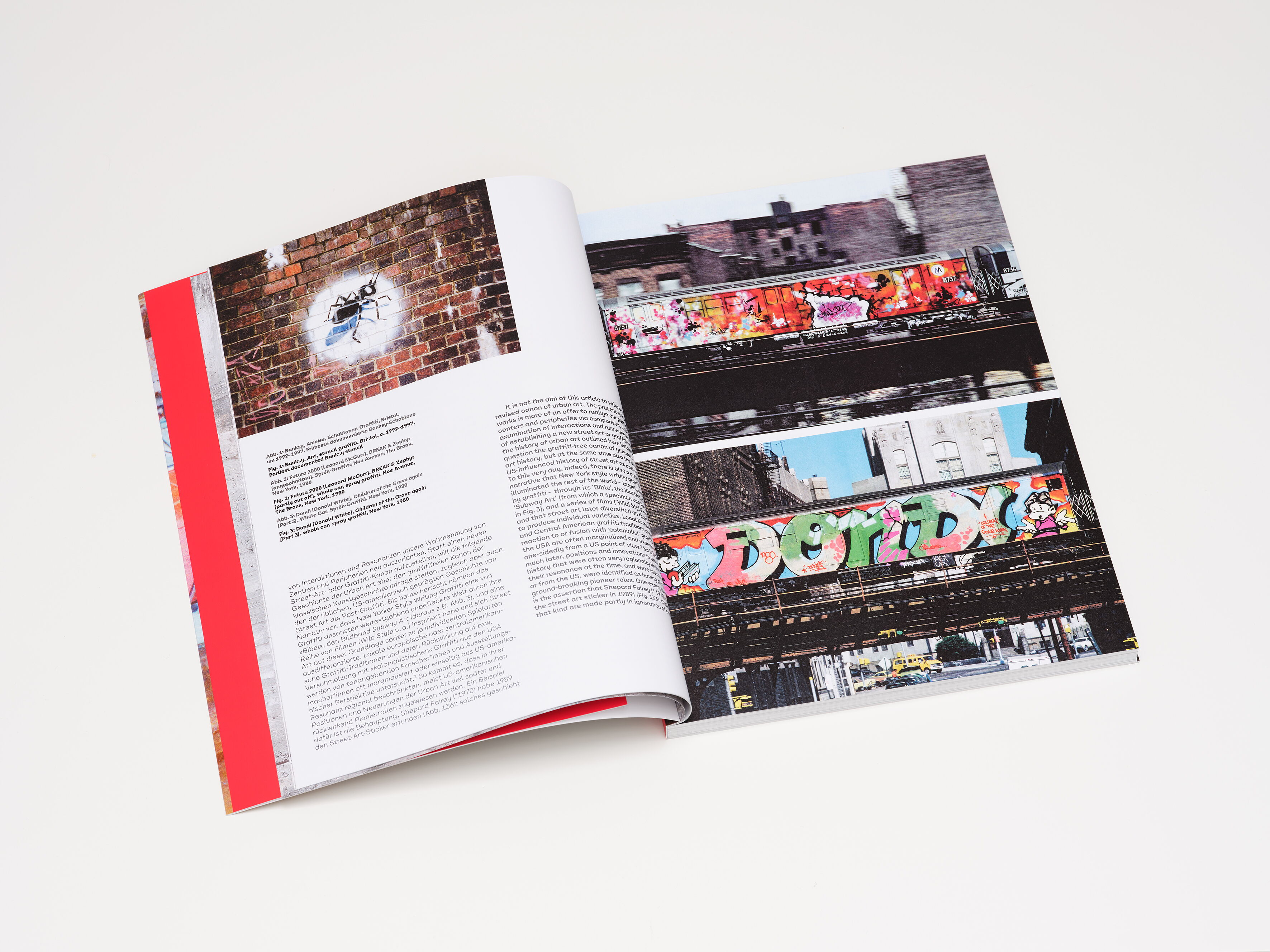
To accompany the exhibition, a lavishly illustrated companion volume has been brought out by the prestigious publishing house Hirmer Verlag. Although it was not intended as an end in itself, and not declared as an objective ahead of the event, the exhibition and the catalog narrate a history of street art and graffiti that is more international and more female. Many new research findings and perspectives have contributed to the quality of the show.





123+ Artists
Henry Flynt
Futura 2000/ Leonard McGurr
Godlis
Guerrilla Girls
Raymond Hains
Richard Hambleton
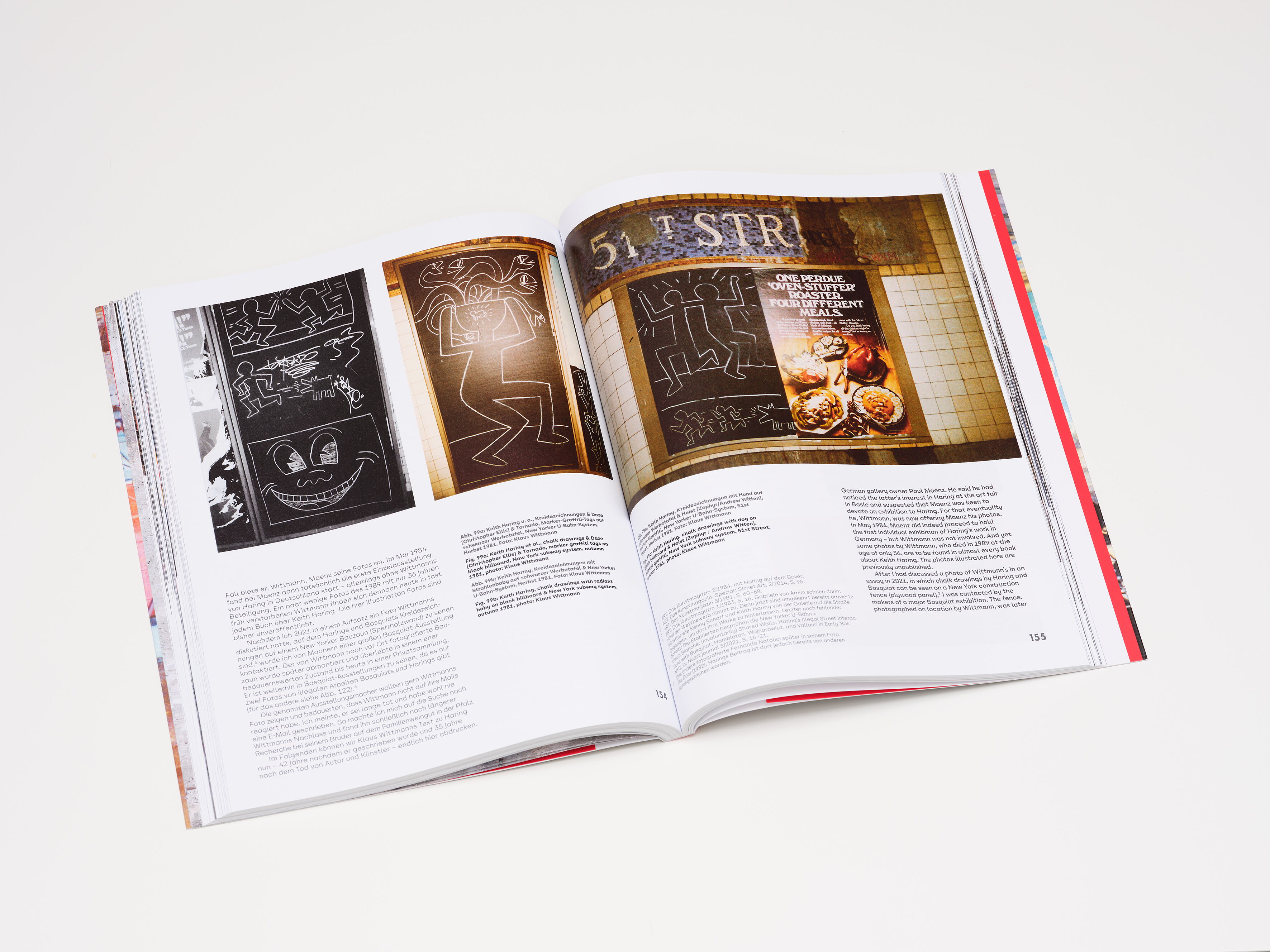
Keith Haring
Jenny Holzer
Iz The Wiz/Michael Martin
Thunar Jentsch
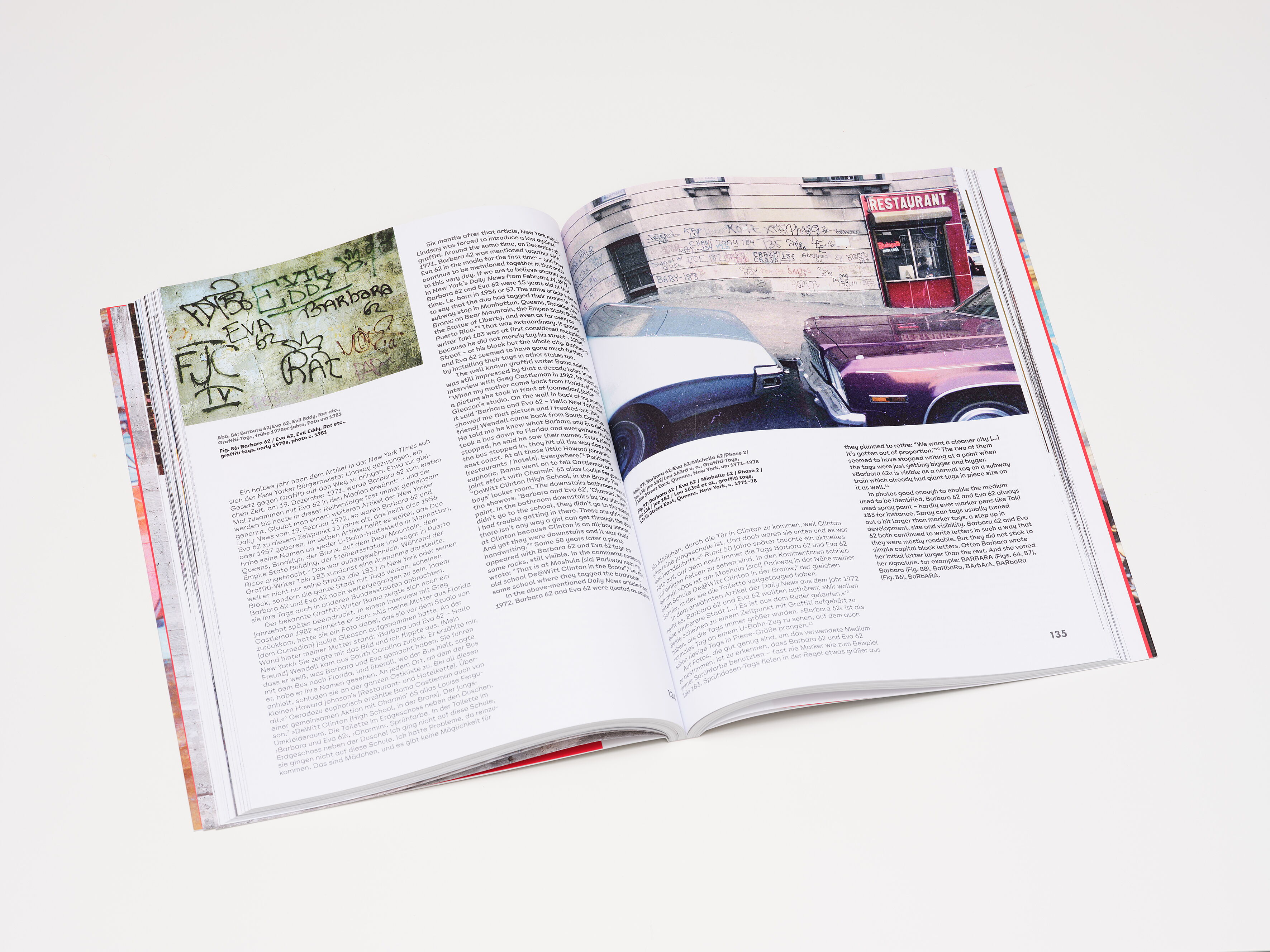
Ted Joans [et al.]
Joe 136
Joe 182
Junior 161
Katrin Kaluza
Kel/Randy Rodriguez
King Pin/ Christian Wolf
Manfred Manny Kirchheimer
KONK
Marcus Krips
Jean-noël Lafargue
Lee 163rd
Lee/Quiñones
Eichi Machimoto
Christoph Maisenbacher
[Edmond] Marie Rouffet
Aroldo Marinai
Franco Marinai
MashUp
Gordon Matta-Clark
Jérôme Mesnager
Michelle 62
Mick(ey) La Rock/Aileen Middel
Miss.Tic/Radhia Novat
Mode 2/ Maxime Nicoll
Mudmen
Andrea Nelli
OBEY /Shepard Fairey
Oliver
OZ/Walter Fischer
Paella [Chimicos]/Michel Palacios
Patti Smith Group
Phase 2 / Michael Marrow
Ernest Pignon-Ernest
(Lady) Pink /Sandra Fabara
Zygmunt Piotrowski
P-jay
Jill Posener
Pride/ Errol Donald
Quik/ Lin Felton
Klaus Raasch
Reso/Patrick Jungfleisch
Christy Rupp
SAMO© [Jean-Michel Basquiat/Albert Diaz]
Jo Schnapp
Ulrike Schermuly
Seen/Richard Mirando
Shoe/Niels Meulman
Shunk-Kender
Situationisten
Skeme/ John Cecil Dash
Soner/David Henrion
Spaze/Chaker Abdallah
Klaus Staeck
Johannes Stahl
StayHigh 149 / Wayne Roberts
Zéb/JAK/Yvain von Stebut
Taki 183
Jerzy Treliński
Timm Ulrichs
Alex Vallauri
Vampirella /Valesca M
Vandal/Barrett Zinn Gross
Gee Vaucher
Jacques de la Villeglé
Uwe Wandrey
Matt Weber
Klaus Wittmann
Dan Witz
David Wojnarowicz
Gerard Zlotykamien
Züricher Sprayer/Harald Naegeli
Sponsor
 |
 |
[nbsp] |
 |
 |
|
 |
 |
[nbsp] |
Cooperation partner
 |
 |
 |
[nbsp]
|